Commercial Disinfection: Why "Looks Clean" Isn't Enough
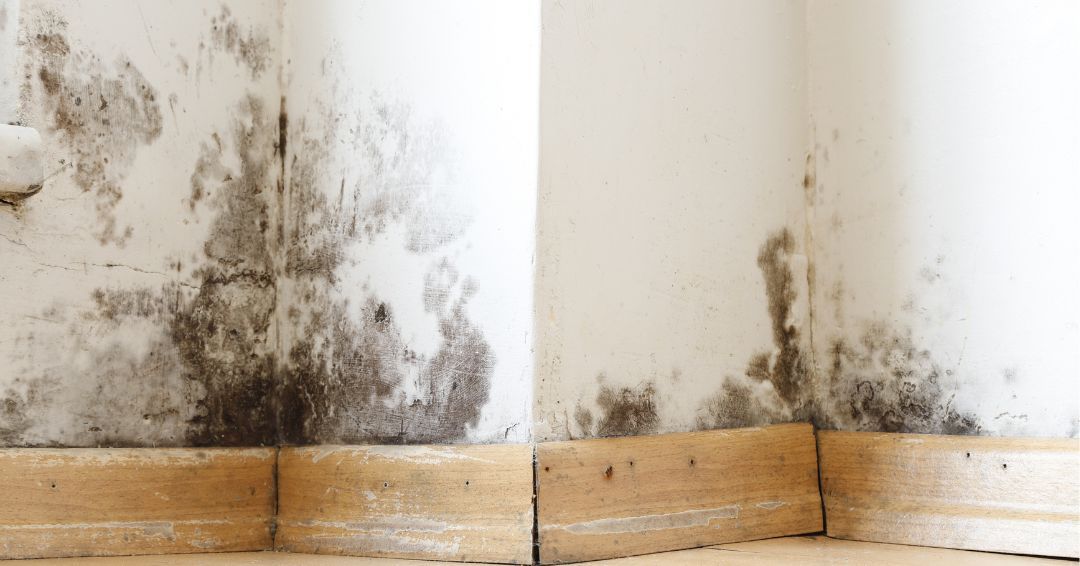
A spotless-looking office can still carry a real microbial load. For a business, the question that matters isn’t whether your space looks clean. It’s whether you can prove it’s actually disinfected. That’s the real issue behind commercial disinfection: regular cleaning makes surfaces look and feel fresh, but it doesn’t kill most of the bacteria, viruses, and mold that gather on the surfaces your employees and customers touch all day. If you run an office, gym, restaurant, clinic, or rental property in Northeast Ohio, it’s important that you understand the gap between looking clean and being verifiably clean, why that gap is a liability, and what real disinfection looks like.
Key Takeaways
- Cleaning removes dirt and lowers germ counts, but only disinfecting kills the bacteria, viruses, and mold left behind on surfaces.
- A surface can look completely clean and still hold a harmful microbial load, so appearance is not proof of safety.
- For a business, “it looked clean” is not a defense after a health complaint, an outbreak, or a failed inspection. Documentation is.
- The Bactronizing Process tests surfaces before and after treatment, so you get proof of results, not just a promise.
- Bactronix uses non-toxic, EPA-registered products applied by electrostatic sprayer for 100% surface coverage, safe for people and pets.
"Clean" and "Disinfected" Are Not the Same Thing
Most people use “clean,” “sanitize,” and “disinfect” as if they mean the same thing. They don’t, and the difference matters more than it sounds.
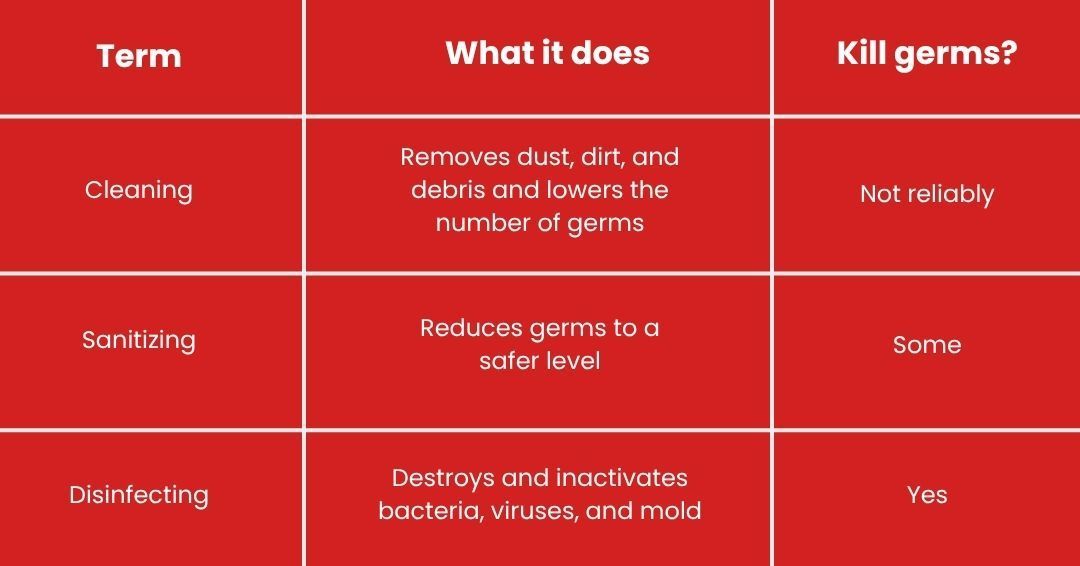
The CDC draws the same line: cleaning removes germs and impurities, while disinfecting kills the germs that remain on surfaces afterward. In plain terms, a wipe-down can make a counter look great and still leave it carrying plenty of what makes people sick.
For a home, that gap is a nuisance. For a business, it’s a risk you carry on behalf of everyone who walks through your door.
Why "Looks Clean" Is a Liability for Your Business
When you’re responsible for a shared space, clean isn’t really the goal; safe is. And safe is something you may one day have to prove.
Picture the situations every owner and manager would rather avoid. A cluster of employees calls in sick the same week. A customer says they got ill after a visit. An inspector asks what your sanitation process actually is. In each case, the question is the same: what did you do to keep this space safe, and can you show it?
“It looked clean” is not an answer. Neither is “our cleaning crew comes every night.” Those describe effort, not results. What protects you is evidence: a record that your space was tested, treated, and tested again to confirm the job worked.
This is the piece most cleaning services simply don’t offer. They spray, they wipe, they leave. There’s no measurement before, no verification after, and nothing on file if anyone ever asks. You’re left trusting that it worked, and asking your customers and staff to trust it too.
What Real, Verifiable Disinfection Looks Like
Real disinfection replaces trust with proof. That’s the whole idea behind the Bactronizing Process, and it rests on three things an ordinary cleaning can’t match.
- Proof. We test your surfaces before we treat them to measure the microbial load, then test again afterward to confirm the reduction. You don’t have to wonder whether it worked. You can see the difference, documented on paper.
- Coverage. Our EPA-registered solution is applied with an electrostatic sprayer that wraps a charged, even coat around 100% of surfaces in the treated area. That includes the high-touch and hard-to-reach spots, like door handles, keyboards, light switches, and the underside of shared equipment, where a wipe-down never reaches, but germs collect.
- Safety. Many disinfection companies rely on harsh chemicals that can be tough on your staff, your customers, and the environment. Our formula is non-toxic and eco-friendly, safe for people, pets, and plants, with no harsh chemical residue. There’s no strong chemical smell hanging in the air afterward.
The result eliminates 99.9% of germs, viruses, and bacteria, and every service is backed by certification and a one-year warranty. That’s the difference between “we sprayed something” and “here’s the proof it’s gone.”
The Seal of Certification: Proof Your Customers and Staff Can See
Verification protects you behind the scenes. The Seal of Certification puts it out front where people can see it.
When your space has been treated to the Bactronizing standard, with testing and reports on file, you can display the Bactronix Seal of Certification. It tells everyone who walks in that the space has been professionally disinfected and certified, not just tidied up.
For a business, that visible proof does real work. Employees feel more confident coming in. Customers, members, and patients see that you take their health seriously. And you get to be the manager who handled it properly and can show it, rather than the one hoping nobody asks.
Which Northeast Ohio Businesses Need This Most
Any shared space benefits from verifiable disinfection, but a few Northeast Ohio businesses have the most on the line:
- Offices and shared workspaces, where shared desks, kitchens, and equipment move germs from person to person.
- Gyms and fitness studios, where members touch the same equipment for hours every day.
- Restaurants and bars, where cleanliness and reputation are tied together, and an inspection is always around the corner.
- Clinics and care facilities, where the people being served are often the most vulnerable to infection.
- Property managers and landlords, responsible for units and common areas used by many tenants.
For these businesses, a one-time treatment is a good start, but recurring service is where the real protection lives. Scheduled disinfection keeps your space certified and defensible month after month. And because microbial problems often travel with moisture, if you’re also noticing musty smells or suspect a bigger issue, our professional mold remediation works the same proof-driven way.
FAQ
What’s the difference between cleaning, sanitizing, and disinfecting?
Cleaning removes dirt and debris from a surface and lowers the number of germs, but may not kill them. Sanitizing reduces germs to a safer level without eliminating them. Disinfecting kills the bacteria, viruses, and mold that remain after cleaning. All three have a role, but only disinfecting destroys the germs that actually make people sick.
How often should a business be professionally disinfected?
It depends on your foot traffic, your industry, and your risk level. High-traffic spaces like gyms, restaurants, and clinics often benefit from recurring service on a set schedule, while lower-traffic offices may need it less often. After an illness outbreak or a known exposure, disinfect right away. We can assess your space and recommend a schedule that fits how it’s actually used.
Is electrostatic disinfection safe around employees, customers, and pets?
Yes. Bactronix uses non-toxic, EPA-registered products that are safe for people, pets, and plants, with no harsh chemical residue. The electrostatic sprayer applies an even coat across all surfaces without soaking your space in strong chemicals. There’s no lingering chemical smell, so employees and customers can return to the space comfortably soon after treatment.
Can professional disinfection help with liability or a health inspection?
It can help you show your work. Professional disinfection with before-and-after testing gives you documented proof that your space was treated and verified, plus certification you can keep on file. If a customer complains, an employee gets sick, or an inspector asks about your process, that record is far stronger than saying the space “looked clean.”
The Bottom Line
A clean-looking space feels reassuring, but for a business, feeling clean and being verifiably disinfected are two very different things. Commercial disinfection with proof, tested before and after and backed by certification and a warranty, protects your people, your customers, and you. If you manage a space in Northeast Ohio, we’d be glad to take a look and show you exactly what verifiable disinfection would involve for your facility. Call Bactronix of Ohio at (330) 271-8661 or reach out through our contact form for a free assessment, and let us prove it.