

Bactronix Blog
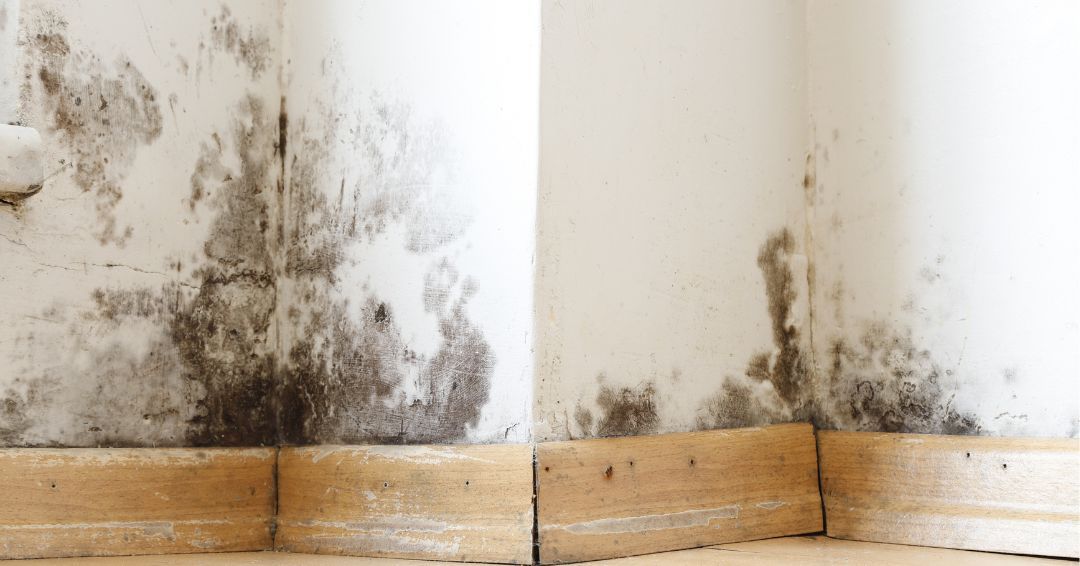
Some black mold can affect your health, but not all black mold is toxic, and you can’t tell how dangerous it is from a photo or its color. What actually matters is how much there is, the moisture feeding it, and how sensitive the people in your home are. If you’ve found a dark patch or a musty smell in your Northeast Ohio home, you don’t need to panic, but you also should not ignore it. Once you find out what black mold really is, what the science says about the risk, and what to actually do about it, you can decide what course of action the mold in your home requires. Key Takeaways “Black mold” describes a color, not a single species. Many dark molds exist, and most are not the toxic kind. The mold people usually mean by “toxic black mold” is Stachybotrys chartarum, but you can’t identify it or judge its danger from a photo. Mold’s health effects range from none at all to coughing, congestion, irritated eyes, and skin rash, and can be more serious for some people. People with asthma or allergies, young children, older adults, and those with weakened immune systems are most at risk from mold. The CDC’s advice is simple: if you can see or smell mold, remove it and fix the moisture, no matter what type it is. Surface treatments like bleach don’t fix mold growing at the source, which is why it so often grows back. What "Black Mold" Actually Is “Black mold” is one of the most searched and most misunderstood terms in home health. It sounds like a single, specific villain. In reality, it’s just a description of color. Plenty of molds appear dark green, gray, or black. When people say “toxic black mold,” they usually mean Stachybotrys chartarum, a specific mold that can grow in damp buildings. But here’s the part most people don’t know: not all black-colored mold is Stachybotrys, and not all Stachybotrys produces toxins. The color alone tells you almost nothing about how risky a patch of mold really is. That’s why a photo can’t answer the question, and neither can a quick glance. The most common indoor molds are actually Cladosporium, Penicillium, and Aspergillus, none of which is what people picture when they type “black mold” at midnight. What matters isn’t the shade. It’s that mold is growing indoors at all, because that always points to a moisture problem worth solving. Is Black Mold Dangerous? What the Science Actually Says
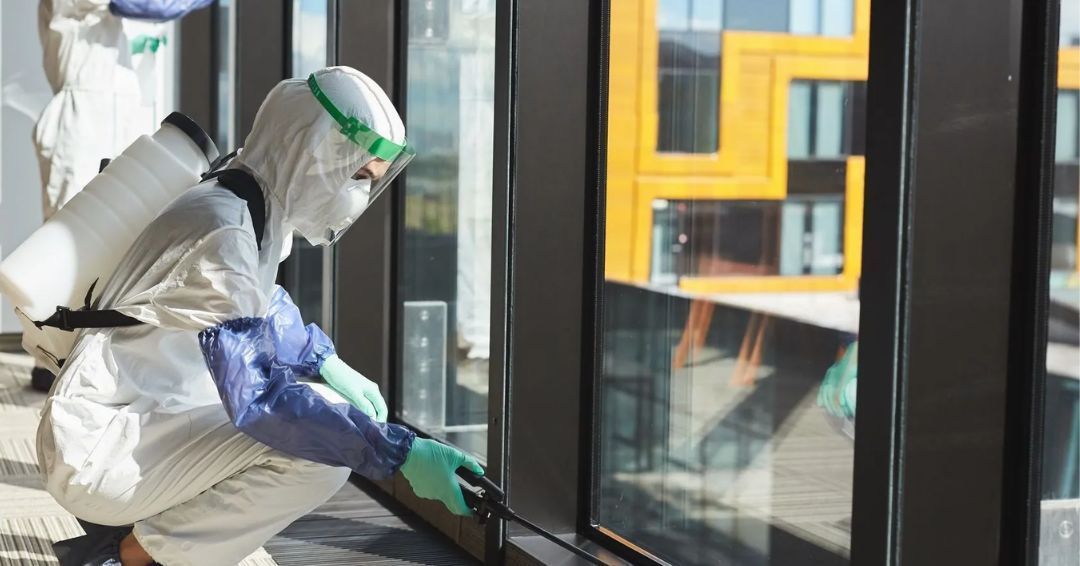
A spotless-looking office can still carry a real microbial load. For a business, the question that matters isn’t whether your space looks clean. It’s whether you can prove it’s actually disinfected. That’s the real issue behind commercial disinfection: regular cleaning makes surfaces look and feel fresh, but it doesn’t kill most of the bacteria, viruses, and mold that gather on the surfaces your employees and customers touch all day. If you run an office, gym, restaurant, clinic, or rental property in Northeast Ohio, it’s important that you understand the gap between looking clean and being verifiably clean, why that gap is a liability, and what real disinfection looks like. Key Takeaways Cleaning removes dirt and lowers germ counts, but only disinfecting kills the bacteria, viruses, and mold left behind on surfaces. A surface can look completely clean and still hold a harmful microbial load, so appearance is not proof of safety. For a business, “it looked clean” is not a defense after a health complaint, an outbreak, or a failed inspection. Documentation is. The Bactronizing Process tests surfaces before and after treatment, so you get proof of results, not just a promise. Bactronix uses non-toxic, EPA-registered products applied by electrostatic sprayer for 100% surface coverage, safe for people and pets. "Clean" and "Disinfected" Are Not the Same Thing Most people use “clean,” “sanitize,” and “disinfect” as if they mean the same thing. They don’t, and the difference matters more than it sounds.